Bangkok, the river, and four nights in the north
A loop rather than a dash: two nights in Bangkok, a train to Ayutthaya, two nights on the River Kwai, four in and above Chiang Mai, and a last night back in the city before you fly.
At a glance
- Duration
- 10 days, 9 nights
- Party
- Private, 2 to 8
- Starts
- Bangkok
- Ends
- Bangkok
- Difficulty
- Easy
- From
- USD 2,900
Most ten-day Thailand itineraries are three temple mornings and a flight to an island. This one goes west instead, to the stretch of river where the Japanese army built a railway to Burma in 1942 and 1943, and then north into the hills for four nights, which is one more than the standard three and the night that makes the north work.
Nothing here involves riding an elephant, and nothing ever will. Where you spend time with elephants on this route, you spend it watching them from a distance in a place that neither rides nor bathes them, for reasons set out on responsible travel.
The loop back to Bangkok is deliberate. Long-haul flights out of Suvarnabhumi leave late in the evening or in the small hours, and a final night in the city buys you a shower, a proper last dinner and a margin against a delayed domestic leg.
Day by day
The Thai visa exemption for US, UK, EU and Australian passports drops from 60 days to 30 on 15 September 2026. Ten days is comfortably inside it. It matters if Thailand is one leg of a longer run through the region and you plan to come back through it: under the new framework there is no extension mechanism inside the exemption itself, and land-border entries on it are generally capped at two a calendar year. Tell us the whole route and we will count the days with you.
Arrive Bangkok
Met at Suvarnabhumi and driven in. The road takes 45 minutes at night and can take ninety in the Friday evening build-up, which is the honest range rather than the brochure number. Nothing is scheduled today.
If you land with an evening in hand, the walk worth taking is the riverfront between the Oriental pier and Talat Noi: godowns, a Chinese shrine, and the last few boatyards still working the bank.
Bangkok from the water
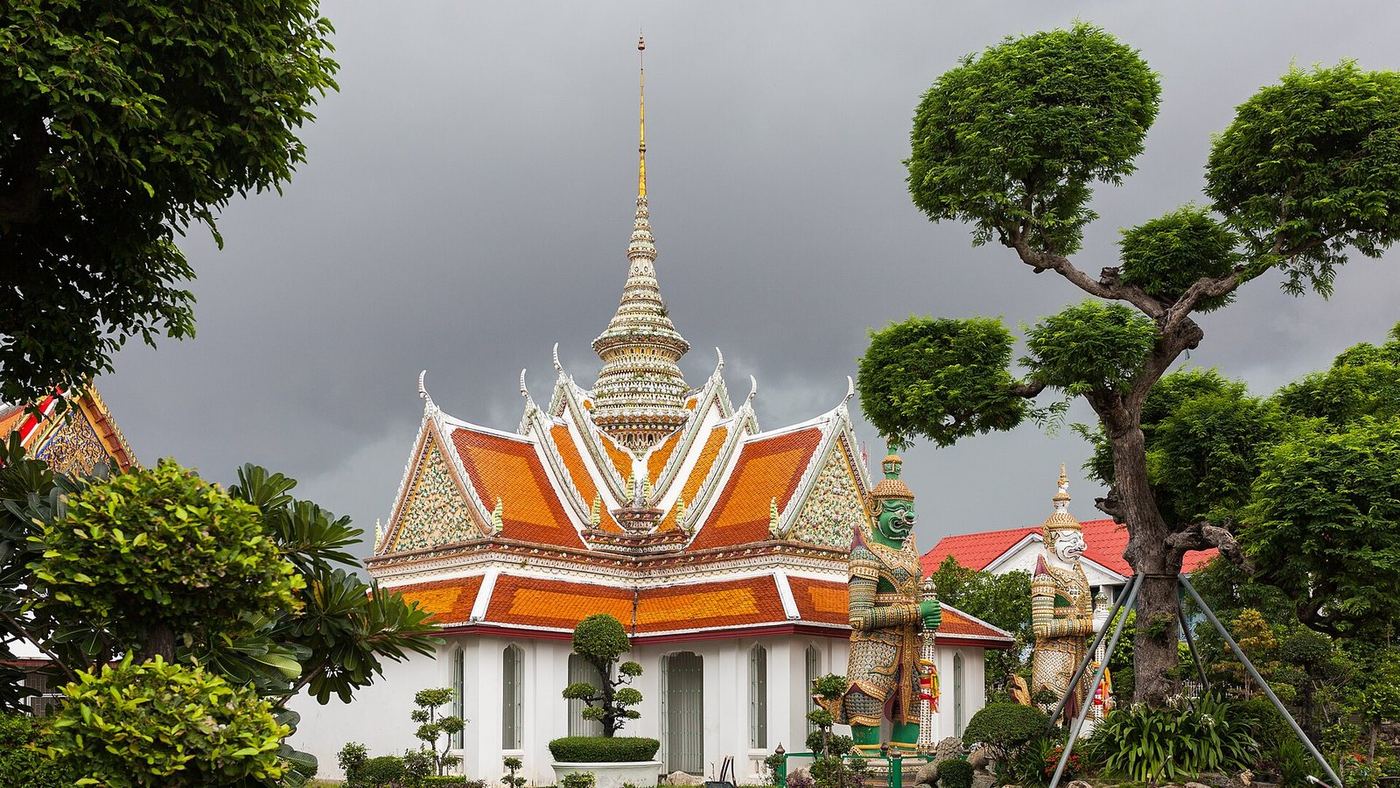
The Grand Palace and Wat Pho at opening, in that order, because the palace fills first and empties last. Wat Pho holds the 46-metre reclining Buddha and the country's oldest school of massage, and a half-hour on one of its tables is the correct use of the hour after lunch.
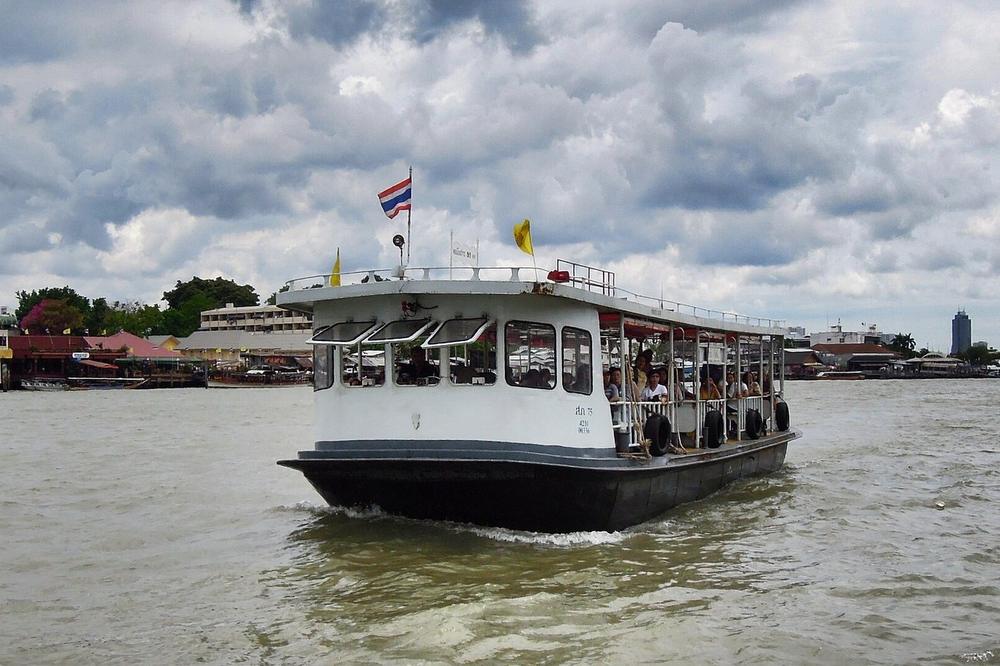
The afternoon is spent on the river and the canals behind it: a long-tail up Khlong Bangkok Yai, past houses on stilts that the city has not yet bought, and back on the public express boat, which costs a few baht and is how the city commutes.
Dinner in Chinatown along Yaowarat, where the good stalls set up after dark and the queue tells you which they are.
Ayutthaya by train, then west to the river
Out to the station for the morning train north. Bangkok to Ayutthaya is about an hour, the fastest express does it in 48 minutes, and there are 27 departures a day between 04:15 and 23:05, so the timing bends to your breakfast rather than the other way round.
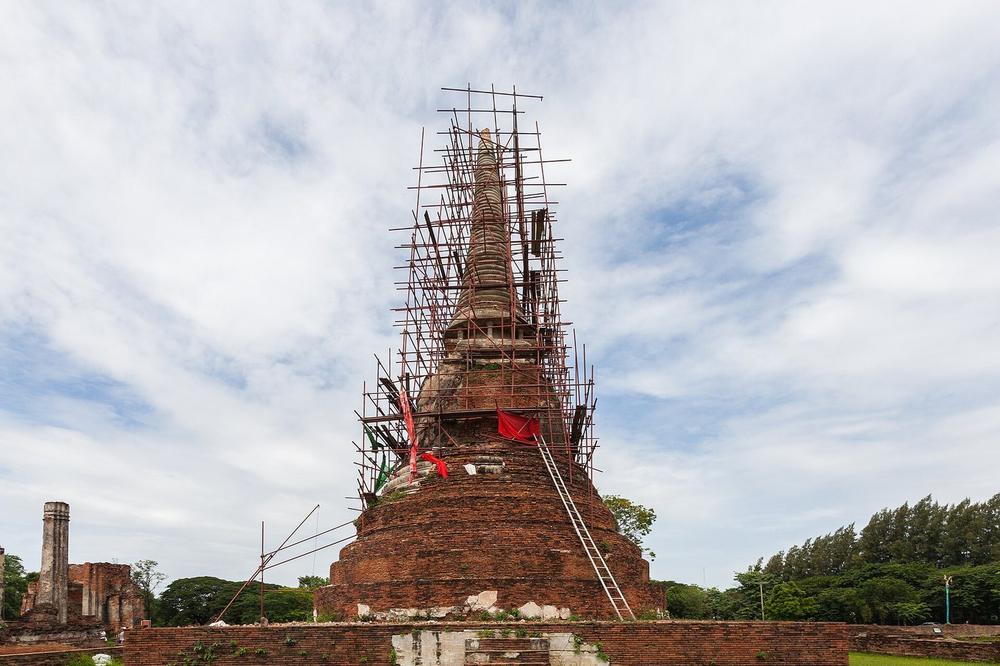
Ayutthaya was the Siamese capital for 417 years and was destroyed in 1767. What stands is brick without its plaster, which is why the ruins photograph the way they do. Three sites is the right number in a morning; a car and guide meet the train and carry you between them.
After lunch, two and a half hours west to Kanchanaburi, arriving with enough of the afternoon left to sit by the river and do nothing.
Erawan, and the railway the prisoners built
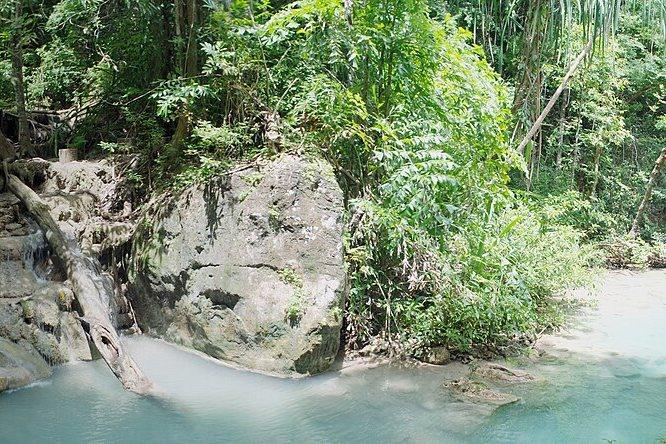
Erawan falls first, at opening, because by eleven the pools have Bangkok families in them. Seven tiers of limestone terraces; most people stop at the second, the fourth is where the water is best, and the climb to the seventh takes about an hour and a half of scrambling that nobody is obliged to do.
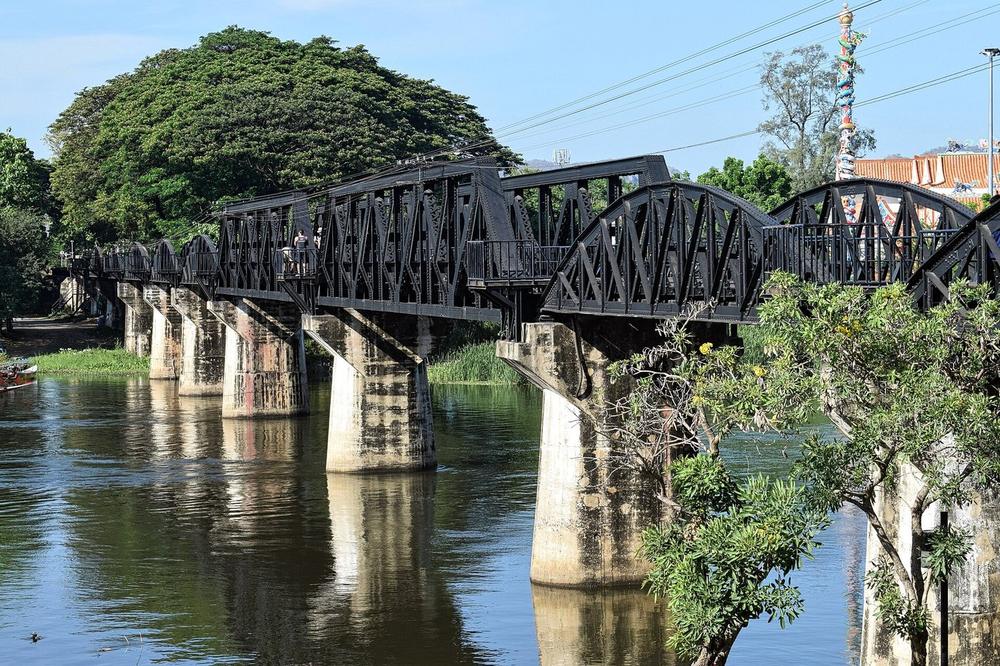
The afternoon is the reason for these two nights. The Death Railway ran 415 km from Ban Pong to Thanbyuzayat in Burma and cost the lives of Allied prisoners of war and a far larger number of conscripted Asian labourers. You ride the surviving stretch over the Tham Krasae trestle, walk the cutting at Hellfire Pass with the museum audio guide, and finish at the war cemetery in town, where the rows are legible and the ages on them are not.
To Chiang Mai
A slow morning by the river, then the road back east to the airport, about three hours, and the flight north. We put you on an afternoon departure with a wide margin: Bangkok's two airports had a sustained run of delays in August 2026, more than 2,300 across sixteen Asian hubs in the same episode, and the scheduling strain behind it has not been fixed by a date on a calendar.
Chiang Mai by early evening. The old city is a square kilometre and a half inside a moat, and the hotel is inside it, so the first evening is a walk rather than a taxi.
Chiang Mai: the old city and the mountain
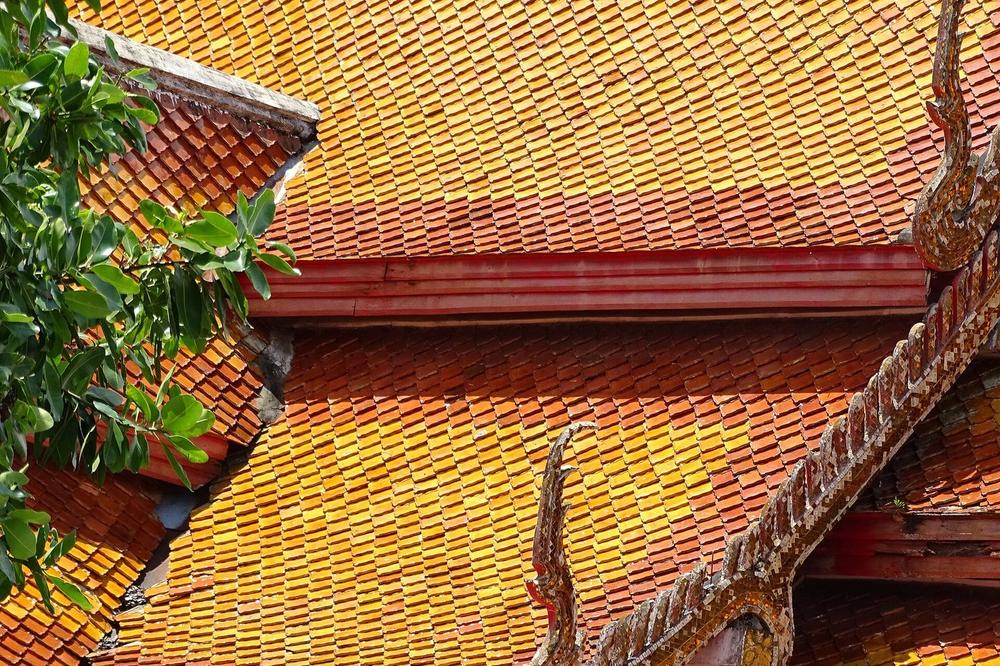
A morning on foot inside the moat with a guide who can read the difference between Lanna and Bangkok temple architecture, which is the difference between this city and the one you have just left. Wat Chedi Luang lost the top of its stupa to an earthquake in 1545 and has never had it back.
Doi Suthep in the late afternoon, 15 km and about 40 minutes up the mountain, with 306 steps at the end of it or a funicular for those who would rather not. Go at four and the city below you comes out of its haze as the light drops.
A day with elephants, on their terms
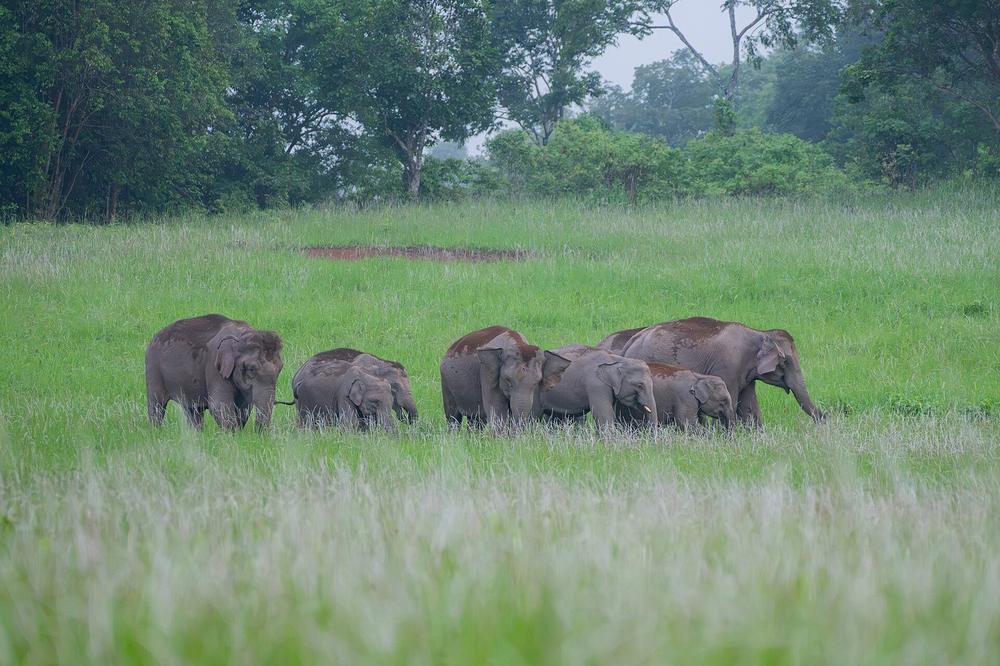
An hour and a half north-west into the hills to a sanctuary that neither rides, bathes nor performs its elephants. You will spend the day at a distance with a keeper explaining what you are looking at: which animals came from logging camps, which from riding operations, what a foot injury from forty years in chains looks like, and why the place refuses the bathing photograph that its competitors sell.
It is a slower and less photogenic day than the one down the road, and it is the only kind we will book. If what you wanted was the picture on the elephant's back, say so now and we will part on good terms.
Above Chiang Mai, or in it
The default is the hills east of the city: the road up to Mae Kampong, a village at about 1,300 metres that grew tea and coffee before it took in guests, and a walk between the houses and the water wheels with someone who lives there. Lunch is at a farm on the way down.
The alternative, for anyone who would rather stand still, is a day inside the city: the Sunday walking street if the day falls right, a morning cooking class that starts in a market rather than a kitchen, and the silversmiths on Wualai. We book whichever you choose after you land, not before.
Back to Bangkok
A late-morning flight south, roughly an hour and a quarter, and lunch in the city. The afternoon is for whatever the first two days did not reach: the Jim Thompson house, which is six teak buildings brought in from up-country and assembled in 1959; the Bangkok Art and Culture Centre, if the exhibition is right; or nothing at all, which after eight days is a defensible choice.
Dinner is booked wherever you tell us at the start of the week, and the hotel is chosen for the airport road rather than the view.
Depart Bangkok
Breakfast and the transfer, timed against your flight rather than a standard check-out. Suvarnabhumi wants three hours for a long-haul departure and the road there wants an hour of margin on top in the afternoon.
What it costs
| Party size | Comfortable | Considered |
|---|---|---|
| 2 travellers | USD 3,950 | USD 5,350 |
| 3 – 4 | USD 3,300 | USD 4,500 |
| 5 – 8 | USD 2,900 | USD 3,950 |
A party of two carries a car, a driver and a guide between two people, which puts the two-traveller column 36% above the same ten days for five. That single choice moves the number more than the hotel grade does.
Thailand sits in our band C, which runs USD 250 to 360 per person per day for a party of four, land only. This journey prices at the lower half of that band because four of the nine nights are in one city and the driving is short.
Comfortable is good four-star and the small places that are better than their rating: the courtyard hotel inside the Chiang Mai walls, the lodge on the Kwai Noi. Considered is five-star in Bangkok and Chiang Mai, where it is genuinely a different night, and the same river lodge in Kanchanaburi, because the alternative there is a resort with a car park and we would rather you had the water. What sits under both numbers is broken down on the prices page.
What is and is not included
What the price includes
- Nine nights as listed, each property named in your quote
- A private car and driver throughout, with a second vehicle for parties of nine and up
- One national guide from Bangkok to Bangkok, plus a Lanna specialist in Chiang Mai
- Two internal flights, Bangkok–Chiang Mai and Chiang Mai–Bangkok, booked with a delay margin
- Reserved seats on the Ayutthaya train, and the Death Railway segment
- All entrance fees named in the day-by-day, including Erawan and Hellfire Pass
- The elephant sanctuary day, including its conservation contribution
- Meals as listed each day, and drinking water in the vehicle
What it does not include
- International flights into and out of Bangkok
- The Thailand Digital Arrival Card, which is free and which you file yourself
- Travel insurance, which we require of every traveller and do not sell
- Meals not listed above, and all drinks
- Tips, which are customary and never built into our prices
- Any elephant riding or bathing, which we will not book at any price
The journey in pictures
Who this journey is wrong for
- Anyone whose picture of Thailand is a beach. There is no island on this route and no coast at all. Krabi or Phuket needs three or four more days and a flight, and the Andaman side runs counter to the rest of the country — it is often better from May to October, when Bangkok and the north are wettest.
- Anyone who wants to ride an elephant, bathe one or be photographed on one. We do not sell it, we will not sub-contract it, and no amount of money changes that answer.
- Travellers who cannot handle heat, in March and April. Those months run past 35 degrees in Bangkok and Ayutthaya, and the ruins have no shade. We also check what the air readings in the north are doing before we recommend a late dry-season departure to Chiang Mai.
- Anyone expecting to reach Angkor overland from here. Every official Thailand–Cambodia land crossing has been shut since 2025 and the Thai government said again in August 2026 that it is not reopening on a timetable. Bangkok to Siem Reap is a flight, and any operator still selling the road day is selling something that cannot be run.
- Anyone who wants a second country inside these ten days. Nine nights split three ways is already the maximum this shape holds; a fourth stop turns two of the days into airports.
How this compares
| Journey | Days | Countries | From |
|---|---|---|---|
| Thailand | 10 | Thailand | USD 2,900 |
| Cambodia | 9 | Cambodia | USD 2,150 |
| Vietnam | 11 | Vietnam | USD 2,650 |
| Asia Crossing | 28 | Japan, Vietnam, Cambodia, Thailand | USD 13,800 |
Thailand and Cambodia together is the pairing we are asked for most, and it works at seventeen days by air. What it does not do is work by road, which is what changed in 2025 and what most published two-country itineraries have not caught up with. The legs that still connect, and the ones that now force a backtrack, are listed on multi-country routing. The country itself, month by month, is on the Thailand page.
Tell us your dates
Send the month, the number of travellers, and whether Thailand is the whole trip or one leg of a longer route. A first draft comes back within two working days.
Questions travellers ask most
How long can we stay without a visa?
Sixty days up to and including 14 September 2026, then thirty from 15 September. Most published advice still shows the old figure. US, UK, all EU and Australian passports are on the 30-day list once the change takes effect.
Ten days is well inside it. If you want longer, the tourist visa applied for before travel costs roughly 1,000 baht and carries 60 days, and a 30-day extension at a Thai immigration office costs 1,900 baht. The current position for every country on this site is on visas and entry.
Is there anything to fill in before we arrive?
Yes, one thing: the Thailand Digital Arrival Card, which every non-Thai national must file within 72 hours of arrival. It takes three to five minutes.
It is free. The only official site is tdac.immigration.go.th, and the copycat sites that charge USD 10 to 90 in "processing fees" are not doing anything you cannot do yourself in the departure lounge. We send you the link with your documents and we never charge for it.
Can we add Angkor to this trip?
By air, yes, and it is a good pairing: fly Bangkok to Siem Reap and add three nights, which is what Angkor honestly needs. Our nine-day Cambodia journey is the fuller version of that idea.
Not by road. The land border has been closed since armed clashes in 2025, there is no reopening timetable, and the Thai position as recently as August 2026 was that restoration would be step by step with no date attached. Plan the flight and stop reading itineraries that show a bus.
When should we come, and what is wrong with the rest of the year?
November to February is the dry, cooler window across Bangkok, Kanchanaburi and the north, and December and January are the busiest and most expensive weeks in it. March and April are the hot months, above 35 degrees, and the least comfortable for a walking itinerary like this one.
May to October is the monsoon on this side of the country, which in practice means heavy afternoon downpours rather than days of grey rain, greener hills, fuller waterfalls at Erawan and lower rates. It is a reasonable choice, and it is the same period when the Andaman coast is at its least reliable, so it suits this inland route better than a beach one. More on the months is on when to go.
Read next
Tell us about the journey you have in mind
Dates, party size and the places you care about are enough to start. You get a draft route and an indicative price, not a brochure.