Two neighbours, seventeen nights, and the space between them
Tokyo, the Hokuriku coast, Kyoto and Osaka, then a two-and-a-half-hour flight to a country that shares Japan's alphabet of influences and almost none of its temperament.
At a glance
- Duration
- 18 days, 17 nights
- Party
- Private, 2 to 8
- Starts
- Tokyo
- Ends
- Seoul
- Countries
- Japan, South Korea
- From
- USD 9,400
Eleven nights in Japan and six in Korea, with one flight between them. Everything inside Japan moves by rail with a driver meeting the train, and everything inside Korea moves by rail and car in the same way. There is no internal flying at all.
Most travellers who reach this page have already decided on Japan and are asking whether Korea earns the extra week. The short answer is that six nights is enough to find out and not enough to be sold a shortened version of Japan a second time. The longer answer is in the itinerary.
Why the two countries belong on one itinerary
Korea is not a cheaper Japan and this journey is built to make the difference visible rather than to smooth it over. Both countries received Chinese Buddhism, Chinese writing and Chinese court structure, and both spent a thousand years doing something different with them. Japan kept and refined; Korea was invaded, burned and rebuilt so often that its instinct is reconstruction rather than preservation. Gyeongbokgung in Seoul is largely a twentieth and twenty-first century rebuilding of a palace the Japanese colonial administration dismantled, and Koreans will tell you so within the first ten minutes. Nijo Castle in Kyoto has stood since the seventeenth century and nobody mentions it because nothing happened to it.
Seeing them a week apart, with the same standard of guide in each, is the whole argument for the pairing. Seeing them a month apart, on two separate trips, works too — it simply costs two long-haul fares.
The order matters. Japan first, because jet lag from Europe or North America wakes you at five for four days and Japanese mornings reward that. Korea second, because after eleven nights of Japanese formality the noise, the speed and the directness of Seoul reads as relief rather than as chaos. Reverse it and Korea reads as a warm-up, which it is not.
If the answer is one country rather than two, we would sell you the twelve-day Japan journey or the nine-day South Korea journey and be happy about it. How many nights each country genuinely holds is set out on how many days.
Day by day
Japan requires no visa and no pre-registration for US, UK, EU and Australian passports: the waiver is 90 days, and the JESTA pre-clearance scheme discussed in the press is not live and is not expected before the 2028 fiscal year. Korea is the one to watch. The K-ETA requirement is waived for 67 nationalities, including all four of our markets, but only through 31 December 2026. Any departure in 2027 must be re-checked, and we do that for every quote rather than assuming the waiver rolls over.
Arrive Tokyo
Met on arrival and driven into the city. Nothing is scheduled and nothing should be. The ¥3,000 Japanese departure tax that tripled on 1 July 2026 sits inside your airline ticket, so there is nothing to pay and nothing to queue for on the way out either.
If you land before noon, the walk that works is the Imperial Palace east gardens and then east into Nihonbashi, on foot, until the body gives up.
Tokyo: the low city
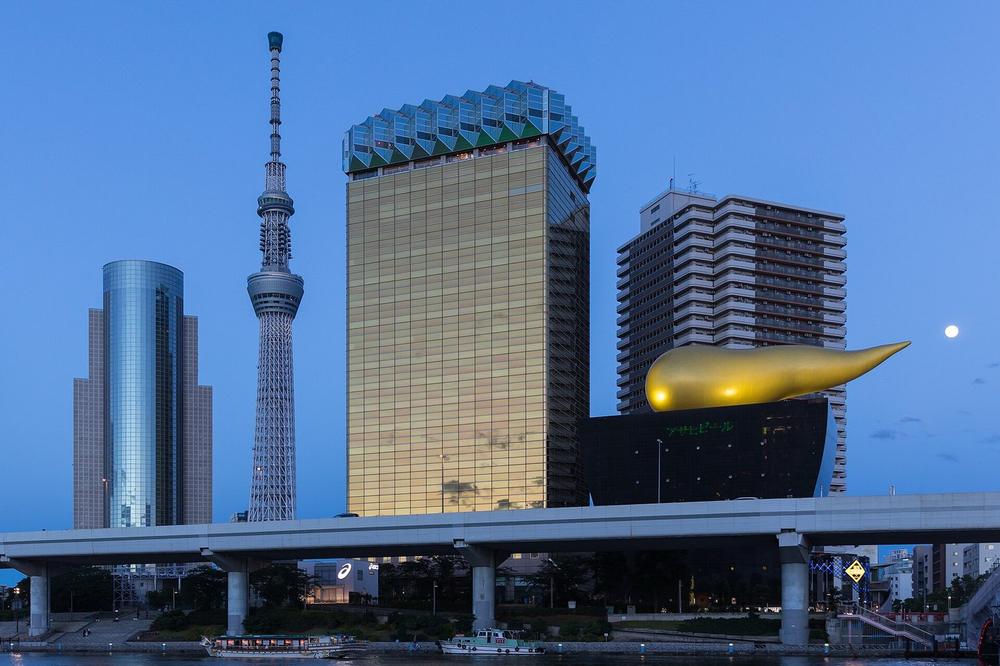
The eastern districts first, because they explain the rest. Asakusa before the coach parties, the covered arcades behind the temple, and Kappabashi, where restaurant cooks buy their knives and where the plastic food models in the windows are made for the trade rather than for tourists.
The afternoon is the river and the Sumida bank, with the history of a city that was timber, burned repeatedly, and rebuilt each time on the same street plan. Your Japanese guide is licensed and stays with you for the whole of the Japanese leg — eleven nights, one person, not a chain of handovers.
Tokyo: the high city
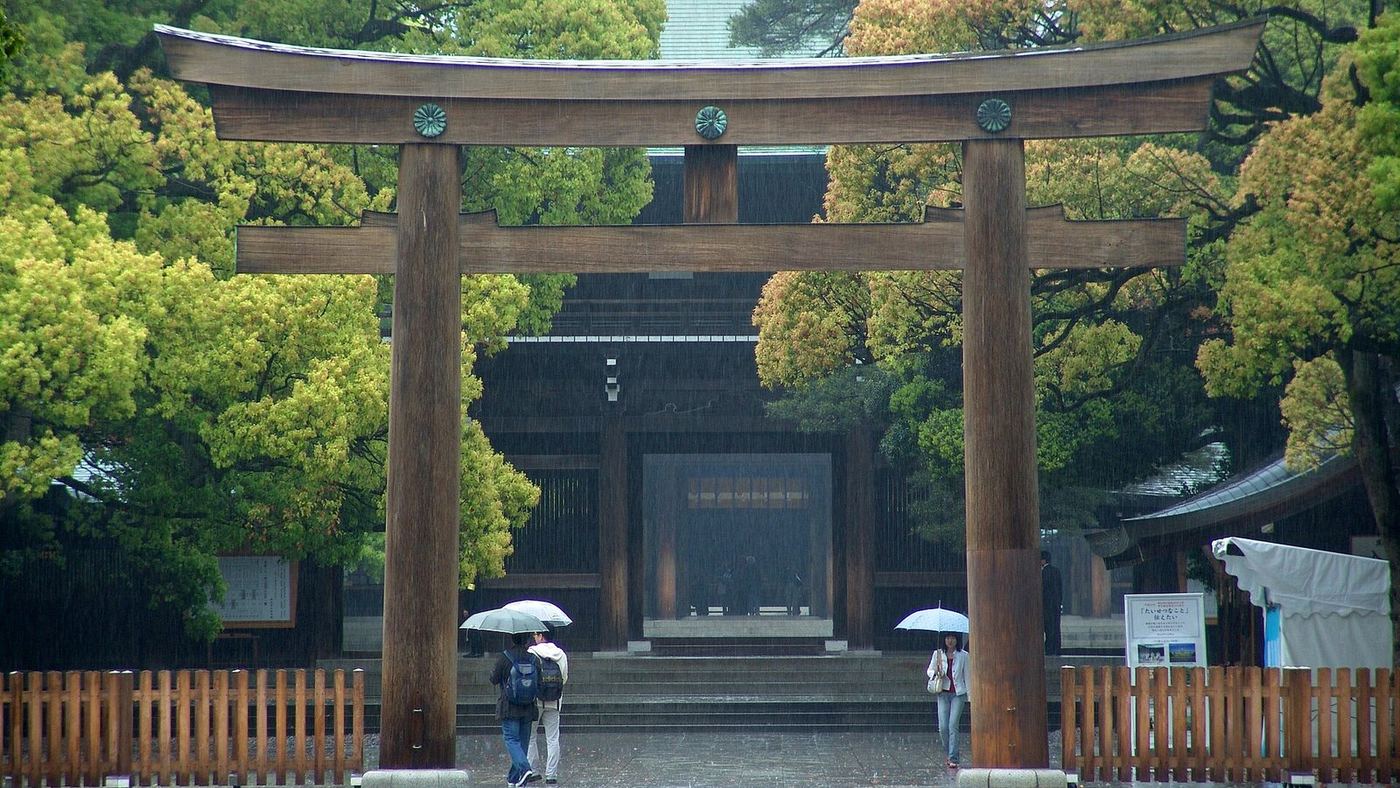
Meiji shrine and its planted forest in the morning, then Harajuku and Omotesando, which is the most concentrated run of contemporary architecture in Asia and reads as a shopping street if nobody points that out.
The afternoon is chosen rather than fixed: the Nezu museum and its garden for quiet, Shimokitazawa for second-hand shops and small bars, or Shibuya from above rather than from the crossing. If teamLab is wanted we book it early, because tickets are dynamically priced from ¥3,600 and the good slots go first.
Tokyo, free, or out of the city
A day with nothing in it. Kamakura is an hour south and holds temples, a great bronze Buddha and a beach. Nikko is two hours north and holds the most elaborately carved buildings in the country. Both are day trips with your driver, and staying in Tokyo and doing nothing is a legitimate third answer on day four of eighteen.
Mount Fuji is not on this journey and we will discourage adding the climb. It now carries a ¥4,000 fee on all four trails with compulsory pre-registration and a hard cap of 4,000 climbers a day on the Yoshida trail, in a fixed summer window that rarely matches the months this itinerary is best in.
Tokyo to Kanazawa
North-west across the spine of Honshu on the Hokuriku Shinkansen. The Kagayaki service does Tokyo to Kanazawa in about 2 hours 30 minutes at roughly ¥14,700 reserved, and the last twenty minutes run out onto a coast that most Japan itineraries never reach.
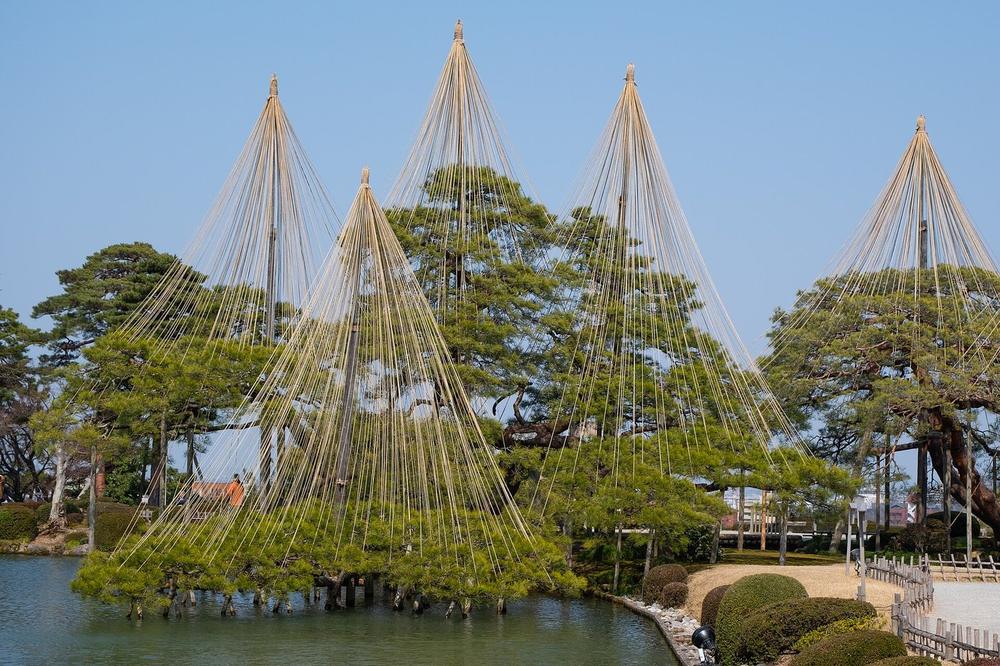
Kanazawa was rich on rice and never bombed, which is why the samurai district and the three tea districts still stand in their original street pattern. Afternoon in Kenrokuen, which is a garden built over 150 years and is the reason people come, and then Higashi Chaya at dusk.
Kanazawa, and the coast
The Omicho market at eight, which is a working fish market with a dozen counters at the back of it, then the 21st Century Museum of Contemporary Art, which is circular, mostly free to walk through, and the best modern building in the city.
The afternoon goes out of town: either the Noto peninsula coast, or the thatched farmhouses at Shirakawa-go, an hour and a quarter inland through the mountains. Your guide will steer you by weather rather than by preference, because the coast in rain is not worth the drive.
Kanazawa to Kyoto
Down the Hokuriku line by limited express, which takes most of the morning and runs along the eastern shore of Lake Biwa for the last stretch. Kyoto by early afternoon, and the first walk is deliberately gentle: the eastern edge of the city on foot, ending in Gion at dusk.
One rule about Gion, and your guide will hold you to it. The main streets are open to everyone. The private lanes behind them have been closed to visitors since May 2024 after years of harassment of working geiko and maiko, with signs reading "Private Road, Do Not Enter" and a fine of up to ¥10,000. It is not decorative signage.
Kyoto: the east
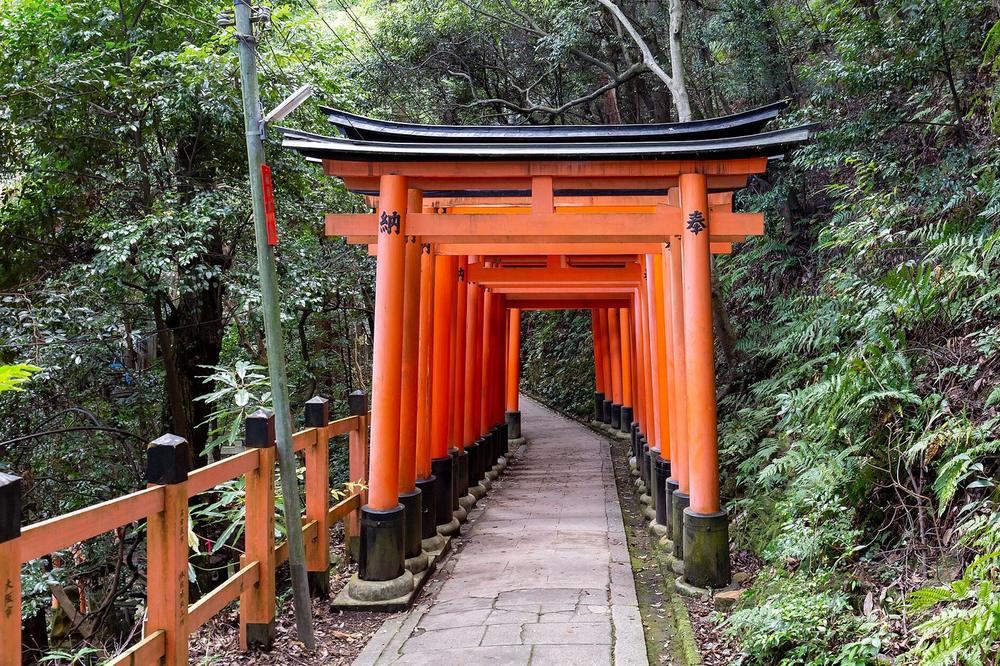
Out at 06:45 for Fushimi Inari, which costs nothing, never closes and is empty at that hour; by ten it is a queue with torii gates on either side. Back for breakfast, then Kiyomizu-dera and the slopes below it before the middle of the day fills them.
The afternoon is indoors on purpose: Nijo Castle and its nightingale floors, built to squeak under an intruder's weight, then Sanjusangendo, which is a single long hall of gilded figures that does not photograph and has to be stood in.
Nara
An hour south to the capital that preceded Kyoto: flatter, smaller and easier to walk. Todai-ji and its bronze Buddha are the reason most people come. The reason to stay past eleven is Kasuga Taisha and the stone lantern path leading up to it through the woods.
The deer are wild animals that have learned to bow for a biscuit. They also headbutt, and they cannot tell a biscuit from a paper map.
Kyoto: the west, and a free afternoon
Arashiyama at opening: the bamboo path before eight, then the Okochi Sanso garden, then the Tenryu-ji pond, which has held the same layout since the fourteenth century.
The afternoon is yours, and what we suggest depends on the month. Autumn colour in Kyoto was forecast on 2 September 2026 to peak around 11 December, roughly six days later than the long-run average, which puts the northern temples at their best in the second week of December. In spring the Philosopher's Path. In July, a basement food hall and an air-conditioned museum, and we say that without irony. Note that Kyoto is phasing in two-tier bus fares — ¥200 a ride for residents with a linked card against ¥350–400 for everyone else — which is one of several reasons this journey uses a car and its own feet rather than a bus pass.
Kyoto to Osaka, by way of Himeji
Himeji is on the line west and holds the great surviving castle keep of Japan — never burned, never bombed, climbed on steep interior stairs in stockinged feet. Since 1 March 2026 it has charged non-residents ¥2,500 against ¥1,000 for residents of Himeji, with under-18s free. We quote the figure plainly because dual pricing is spreading through Japan and you will meet it again elsewhere.
Back east to Osaka for the last Japanese night. Osaka is 20 to 40 per cent cheaper than Tokyo or Kyoto at the same hotel standard and it is a far better eating city than either. Dinner is Dotonbori and the lanes behind it, standing up, with your guide ordering.
Osaka to Seoul
A short flight to Incheon — shorter than the 2 hours 40 minutes the Narita route takes — and a country change that looks small on the map and is not. Your Korean guide meets the flight and stays for the six nights.
The afternoon is Bukchon and the lanes between the two main palaces, on foot, with a warning that these are residential streets with an eight-hour visiting window and residents who have had enough. Dinner is Korean barbecue done properly, which is to say cooked by someone who works there rather than by you.
Seoul: the palaces and the wall
Gyeongbokgung in the morning, and the honest version of it: the Japanese colonial administration dismantled most of the complex after 1910, and what you walk through is a reconstruction that has been under way since 1990 and is still not finished. Changdeokgung next door survived better, and its Secret Garden is timed-entry and worth the ticket.
The afternoon climbs a section of the Seoul city wall — Naksan is the gentle stretch, Inwangsan the steep one — for the only view that makes the shape of the city legible: a basin ringed by granite mountains, filled edge to edge.
The DMZ, and the afternoon back
North to the demilitarised zone, about an hour out of the city depending on checkpoints. Passports are checked, the itinerary is fixed by the military rather than by us, and tours are cancelled at short notice when the situation requires it. That is a condition of going, not a fault in the booking.
What the morning gives you is the Third Tunnel, the observatory over the northern fields, and a border that has been frozen since 1953 and is treated by both sides as temporary. The afternoon is deliberately light: the war memorial museum, or a market and nothing else.
Seoul to Busan by KTX
South on the high-speed line: about 2 hours 15 minutes at the fastest, typically 2 hours 30 to 2 hours 50, at ₩53,900 in standard second class. Since 1 September 2026 the SRT and Korail high-speed services have been integrated, the former SRT trains now run as KTX-Sancheon, and both Seoul Station and Suseo departures appear in one search — which quietly removed the most common booking mistake on this route.
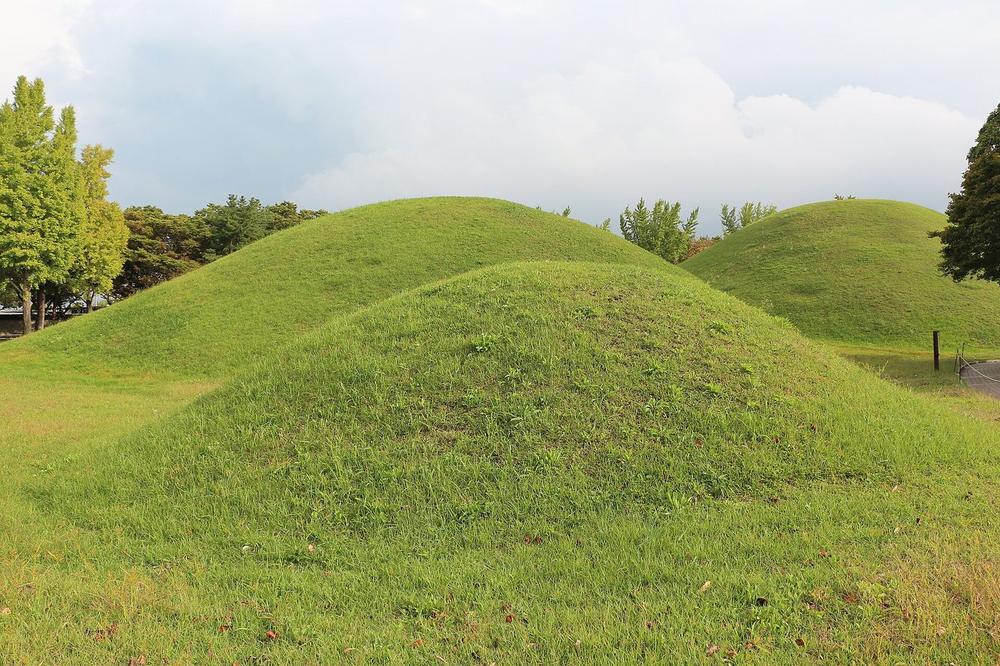
We break the journey at Gyeongju, capital of the Silla kingdom for a thousand years, where the royal tombs are grass mounds the size of small hills sitting in the middle of a modern town. Into Busan in the evening.
Busan
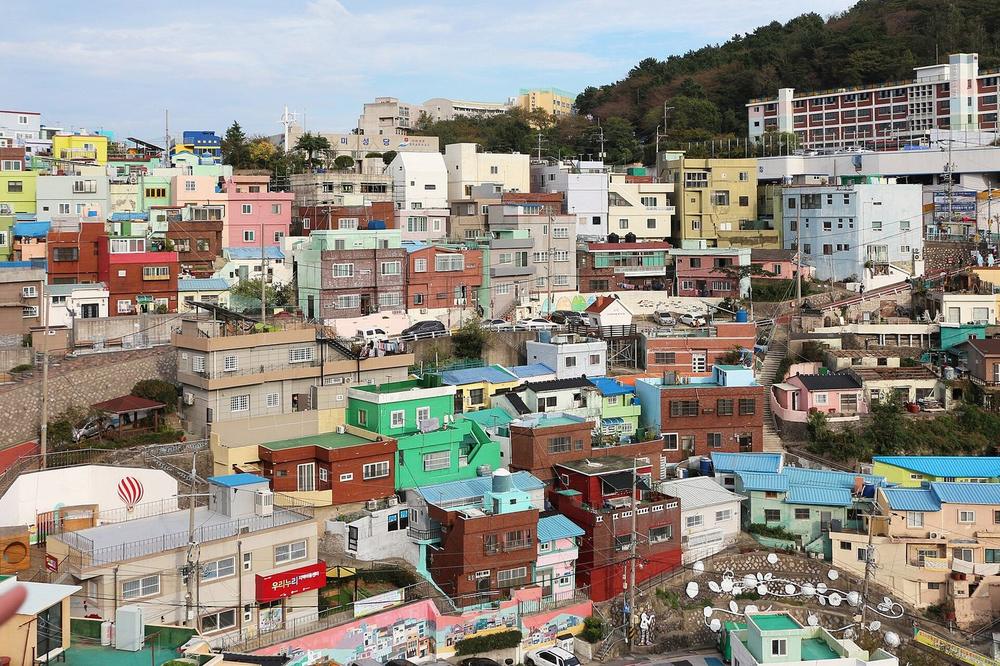
Jagalchi fish market at eight, which is the largest in the country and is run almost entirely by women, then Gamcheon, a hillside of houses painted in blocks of colour that began as a refugee settlement during the Korean War and is now the city's most visited square kilometre. Go early; it is somebody's street.
The afternoon is Haedong Yonggungsa on the coast north-east of the city, which is one of very few Korean temples built on the sea rather than in the mountains, and then a beach, a bathhouse, or both.
Busan back to Seoul
The KTX north in the late morning, which gives Busan a slow start and Seoul a useful afternoon. What that afternoon is depends entirely on what you have discovered you like: Insadong and the antique shops, the contemporary galleries in Samcheong, Dongdaemun after dark, or a department store food hall and a suitcase to repack.
The last night is booked near the airport express line rather than in the middle of the old city, because Incheon is a long way out and morning flights from Seoul are unforgiving.
Depart Seoul
Breakfast, then Incheon on the express with a proper margin. Late departures get a day room rather than a lobby and a sofa.
What it costs, and how the number is built
| Party size | Comfortable | Considered |
|---|---|---|
| 2 travellers | USD 12,800 | USD 17,400 |
| 3 – 4 | USD 10,600 | USD 14,400 |
| 5 – 8 | USD 9,400 | USD 12,800 |
Northeast Asia is the expensive corner of the continent and it is worth showing why, because a reader arriving from a Vietnam quote will otherwise assume the difference is margin.
Our country day rates, land only, at the mid-range of our band for a party of four, put Japan at USD 480–650 per person per day and South Korea at USD 340–460. Eighteen days spent entirely in Japan at this standard would come to roughly USD 8,600 to USD 11,700 of land cost. Eighteen days spent entirely in Korea would come to roughly USD 6,100 to USD 8,300. Eleven of the seventeen nights on this journey are Japanese, so the number sits in the Japanese half of that spread rather than between the two.
What Japan costs is mostly rooms and rail. A four-star Tokyo room runs about ¥18,000–30,000 a night and a Kyoto equivalent ¥20,000–35,000, with Kyoto carrying a further premium in the autumn and cherry-blossom weeks. A private licensed guide in Tokyo is ¥60,000–80,000 for a full day for the whole party, before entry fees. Korea is cheaper on every one of those lines, which is why six Korean nights add less than four Japanese ones would.
Comfortable is a good four-star, or the better small property where four stars is the wrong instrument: the machiya hotel in Kyoto, a hotel with a garden view in Kanazawa. Considered is five-star in Tokyo, Kyoto and Seoul, where five-star buys something real, and the same strong smaller houses in Kanazawa and Busan, where it does not. The full day-rate breakdown before any margin is on the prices page and, country by country, on cost by country.
What is and is not included
What the price includes
- Seventeen nights as listed, each property named in your quote
- A private car and driver in both countries, meeting every train
- A national guide in Japan and a national guide in South Korea, each with you for the whole of their own country
- The Osaka–Seoul flight
- Reserved rail: Tokyo–Kanazawa, Kanazawa–Kyoto, Kyoto–Himeji–Osaka, Seoul–Busan and Busan–Seoul on the KTX
- All entrance fees listed, including Himeji Castle at the ¥2,500 non-resident rate and the timed Secret Garden ticket at Changdeokgung
- The DMZ permit and the security processing that goes with it
- Meals as listed day by day, and drinking water in the vehicle
What it does not include
- International flights into Tokyo and out of Seoul
- Visas: none required for US, UK, EU and Australian passports on 2026 dates, though the Korean K-ETA waiver expires 31 December 2026 and 2027 departures are re-checked at quote
- Travel insurance, which we require and do not sell
- Meals not listed above, and all drinks
- Tips, which are not customary in either country and are never added by us
- A Japan Rail Pass, which this route does not need — the arithmetic is in the questions below
The journey in pictures
Who this journey is wrong for
- Anyone who wants Japan alone and is adding Korea to justify the flight. Six nights in Korea is a real week and it will be wasted on someone counting Japanese temples they missed. The twelve-day Japan journey is the honest purchase in that case.
- Travellers who will not get up early. Fushimi Inari before seven, Arashiyama before eight, Kenrokuen at opening, Jagalchi at eight and Gamcheon before the crowds are not decoration; they are what separates this itinerary from the version of it that queues.
- Anyone booking June or early July. Kyoto and Osaka were in the rainy season from 4 June to 8 July in 2026 and Tokyo from 7 June to 20 July, and Korea's jangma has no fixed dates at all — it starts in June or early July and lasts anywhere from two to six weeks. We will not sell a fixed-date promise against that.
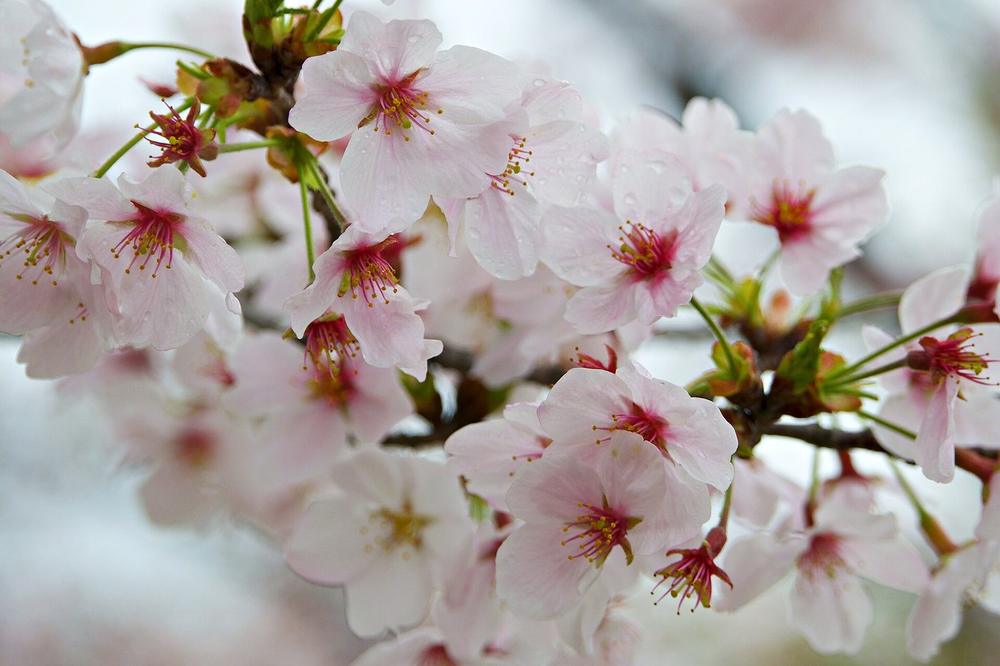
- Parties who want a cherry-blossom guarantee. The first official 2027 estimate is not issued until December 2026 and dates only become genuinely reliable two to three weeks out. We book blossom-season departures with buffer nights and flexible dates, six to twelve months ahead, and we will not write a date on a petal.
- Anyone who needs a DMZ visit to be certain. The tours run on military permission, are cancelled at short notice when the situation on the border requires it, and no operator can promise otherwise. If that morning is the reason you are booking Korea, book knowing it can be withdrawn the night before.
How this compares with our other Northeast Asian journeys
| Journey | Days | Countries | From |
|---|---|---|---|
| Japan and Korea | 18 | Japan, South Korea | USD 9,400 |
| Asia Crossing | 28 | Japan, Vietnam, Cambodia, Thailand | USD 13,800 |
| Japan | 12 | Japan | USD 6,400 |
| South Korea | 9 | South Korea | USD 3,900 |
Eighteen days is the length at which two countries stop competing for the same fortnight. Below about fifteen, one of them becomes a long weekend with a flight attached, and it is always Korea. Above about twenty-two, the pairing that makes more sense is Japan with somewhere genuinely unlike it — which is what the twenty-eight-day crossing is for.
Country background, including the months and what each one costs on the ground, sits on Japan and South Korea. The month-by-month view across the region is on when to go.
Send us the window
Give us the month, the number of travellers and anything already fixed at either end. A first draft itinerary, with the properties named, comes back inside two working days.
Questions travellers ask most
Should we buy a Japan Rail Pass for this journey?
No, and we do not include one. The seven-day ordinary pass is ¥50,000, and on the shape this itinerary uses the point-to-point reserved tickets come to less: Tokyo–Kanazawa is about ¥14,700 reserved, and a Tokyo–Kyoto–Hiroshima loop, which is a longer run than ours, totals roughly ¥39,520 against the same ¥50,000 pass.
There is a second reason beyond the money. The pass excludes the Nozomi, the fastest service on the Tokaido line, so pass holders trade yen saved for time lost. Passes bought through overseas agencies also rise by ¥3,000–5,000 from 1 October 2026, which widens the gap further.
Is six nights enough for Korea?
It is enough for Seoul, the south-eastern corner and one long train ride, which is what this itinerary does: three nights in Seoul, a Gyeongju stop, two nights in Busan and a final night back north. What it is not enough for is Jeju, the south-western provinces or any trekking.
If Korea is the country you actually want and Japan is the add-on, the sensible shape is the reverse of this page: the nine-day South Korea journey with a short Japanese extension, and we will price that instead.
When is the best time to go?
Late October into early December, or April into early June. The 2026 forecast issued on 2 September puts Kyoto's autumn colour peak around 11 December, about six days later than the long-run average, which makes the second week of December unusually good in Kyoto but cold in Seoul.
Avoid June and early July for the rain at both ends, and avoid August and September, when storms reaching Japan are at their most frequent and can suspend the Shinkansen for a day at a time. Entry rules by passport are set out on visas and entry.
Do we need to register anything before arriving in Korea?
Not on a 2026 departure. The K-ETA requirement is waived for 67 nationalities, including the US, the UK, all EU member states and Australia, through 31 December 2026, and the standard visa-free stay for those passports is up to 90 days.
For 2027 departures the position changes or it does not, and nobody knows yet. We re-check it at the point of quoting rather than telling you the waiver is permanent, because it is explicitly temporary and has been extended more than once already.
Read next
Tell us about the journey you have in mind
Dates, party size and the places you care about are enough to start. You get a draft route and an indicative price, not a brochure.