Tokyo: neighbourhoods, not monuments, and the nights they need
Tokyo has no old town and no middle. It has a dozen districts grown out of very large stations, food that is good at every price level, and a ring of days out within two hours. Three nights is the floor and four is the answer.
At a glance
| Country | Japan, Northeast Asia |
| Nights that work | 3 to 4 |
| Best months | March to May, October and November |
| Worst window | 7 June to 20 July for the rains; August and September for typhoons |
| Airports | Haneda (HND), inside the city; Narita (NRT), well outside it |
| Entry | 90 days visa-free; nothing to register online beforehand |
| Getting around | Rail and subway, taxis after dark, a private car on guided days |
| Walking | 8 to 12 km over a full day, plus whatever the stations add |
| Known for | Districts, food and days out rather than a list of sights |
What this place actually is
Tokyo is not one city, and no part of it is the middle. It is a dozen dense districts grown outward from very large stations, joined by the rail network rather than by streets, and the gap between any two of them is counted in stops rather than kilometres. Nobody walks from Asakusa to Shibuya. You go up, along and down again, and the ride between is part of how the place works.
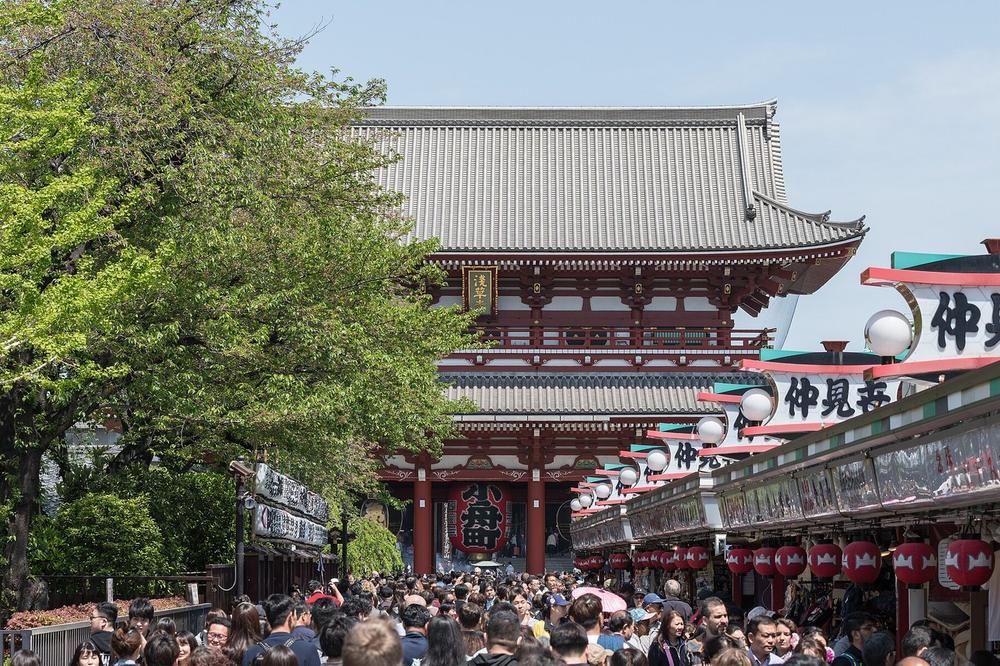
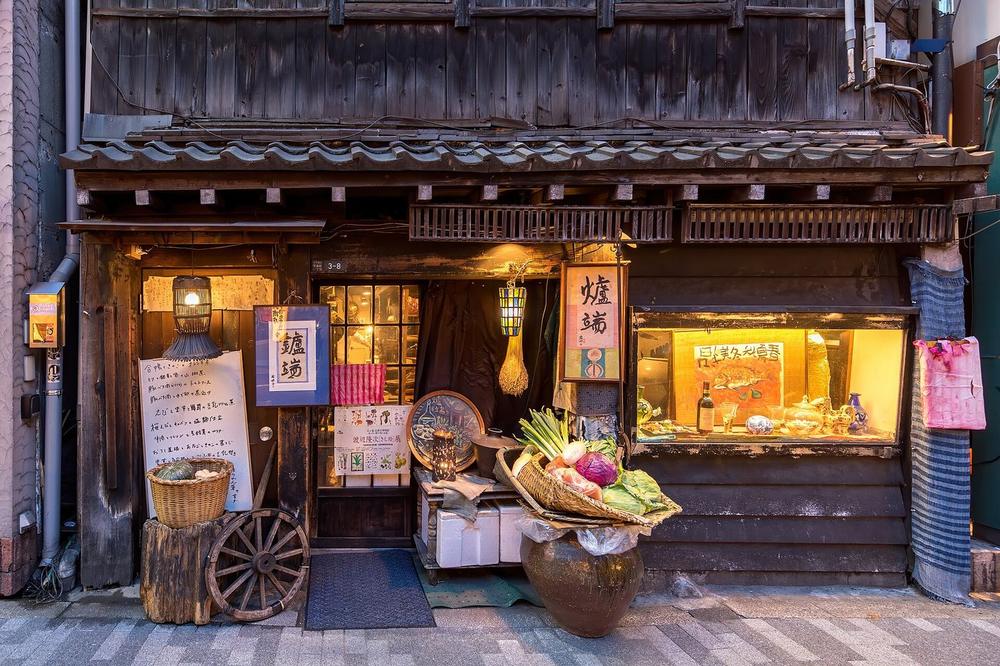
The other thing to absorb before arrival is how little pre-modern fabric survived here. The great earthquake took one version of the city and the war took the next, so what stands is mostly post-war, and the older texture exists in fragments: a few timber-and-tile streets east of the river, a hill of small houses in the north, a shrine approach that kept its shape because the shops along it never moved out. There is no old quarter to wander into. That disappoints people who came expecting one, and it is better said now than on the second morning.
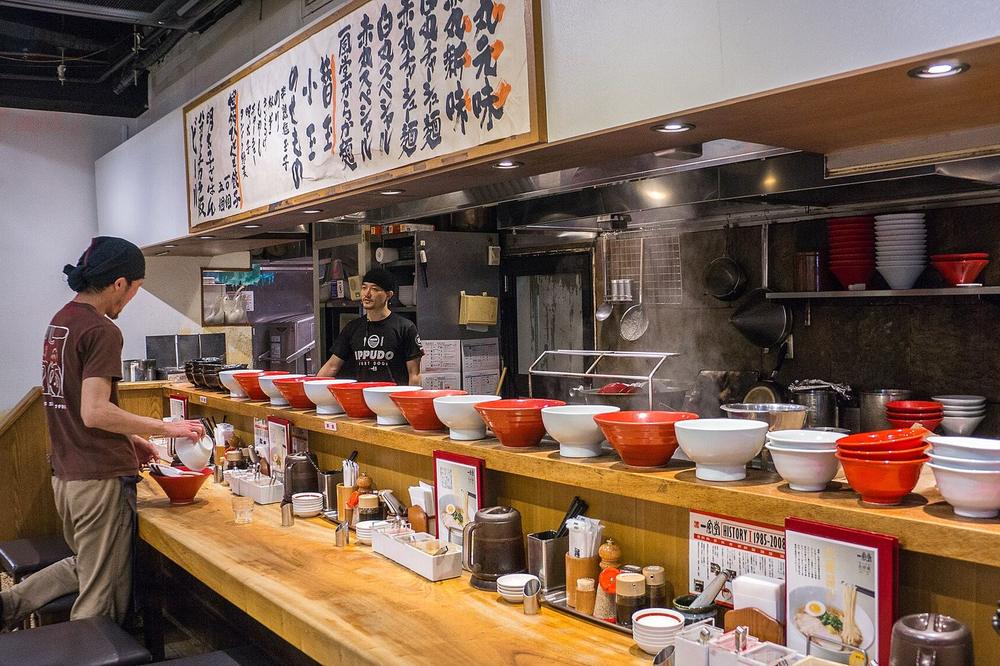
What the city offers in exchange is neighbourhoods with genuinely different characters and a food culture that is excellent all the way down the price range rather than only at the top. A bowl taken at a stand-up counter beneath a station, a room with eight seats and one cook, the food floor in a department store basement, and a dinner that costs more than the hotel night are all parts of the same system and all reliably good. That is the real subject here, and a day works better arranged around one district and three meals than around four sights and a train.
The drawback is fatigue. Distances inside a district are short but the days run long, the interchanges are enormous, and the summer humidity is punishing. Two full days in this city take more out of most people than three anywhere else in Japan.
How many nights, and what breaks if you take fewer
Three nights is the floor and four is the right answer. Three gives two full days and an arrival written off to jet lag, which covers the older east of the city and the modern west of it and nothing further. The fourth night is what buys a day out of town, and that day is what stops a Japan trip being wholly urban until Kyoto.
At two nights the place becomes a transit stop. You will see one district properly, eat two good meals, spend a disproportionate share of your waking hours on the arrival transfer, and leave believing Tokyo is crowded and hard to read — which is what two nights buys, not what the city is.
The days out that work
- Nikko, about two hours north. The most elaborately painted and carved religious complex in the country, standing in cedar forest, which makes it a summer option as much as an autumn one.
- Kamakura, less than an hour south and on the coast. Temples set into wooded valleys, a footpath linking several of them, and a lunch with the sea in front of it. The gentler of the two.
- A hot spring valley, ninety minutes to the south-west. Better taken as a night than as a day, because the whole point of it is dinner, a bath and a futon, and a return train ruins all three.
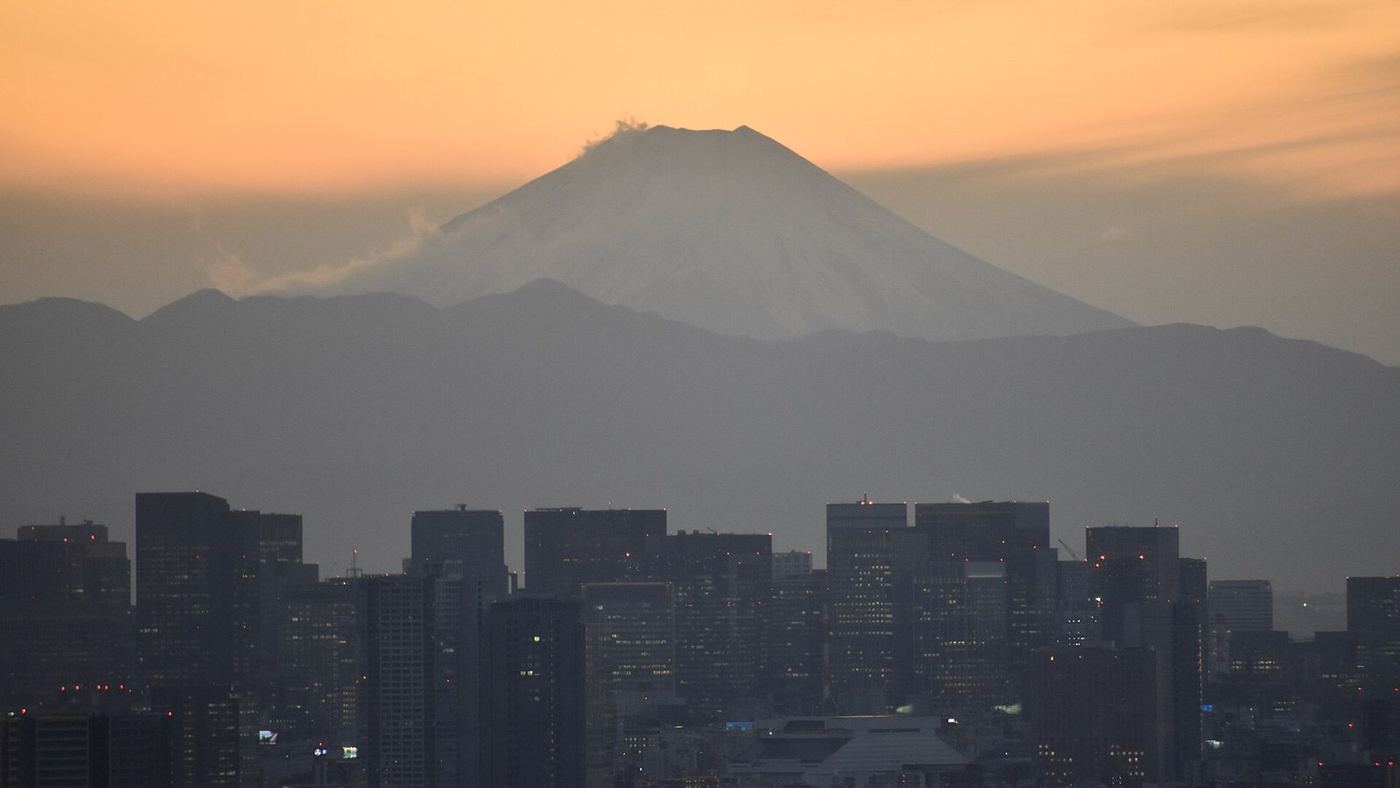
- Not a Mount Fuji climb. Every one of the four official trails now carries a ¥4,000 charge, none of them can be started without registering online first, and the Yoshida route is rationed to 4,000 people a day. Doing it properly wants two days of its own and a departure in July or August. Looking at the mountain is a separate proposition: that comes down to weather, and the hot spring side gives the best odds of it.
When to go
| Window | Tokyo specifically | The catch |
|---|---|---|
| Late March to early April | Blossom in the parks and along the canals; provisional 2027 estimates fall between 28 March and 5 April | The first official forecast lands in December 2026 and dates firm up only two or three weeks out |
| Late April and May | The most reliable stretch: warm, dry, long evenings | Rooms are tight at every grade |
| 7 June to 20 July | Tsuyu — 44 days of it here, longer than Kyoto or Osaka get | Humid; but no city on earth has more indoors, so the season damages Tokyo less than it damages the gardens further west |
| August and September | Street festivals, and the part of the year when typhoons actually arrive | Flights cancelled and rail services halted; carry a spare day |
| October and November | The clearest skies of the year, with colour in the city parks from late November | The hardest window in the country to book at short notice |
| December to February | Cold and bright, and the best odds of seeing Fuji from a distance | Short daylight; plan two things a day rather than four |
Tokyo is the Japanese city least ruined by its bad season. Rain moves a day indoors instead of cancelling it, and indoors here means museums, department store basements, covered markets, galleries and long lunches. If your dates are locked inside the tsuyu, weight the itinerary towards this city and away from the gardens of Kyoto and Nara. Month by month across the whole region sits under when to go.
Getting there and getting around
The airport question is the first real decision of a Japan trip and it usually gets made by accident. Haneda stands inside the city. Narita does not, and on arrival day that is the difference between roughly half an hour in a car and an hour and a half, worse in the evening peak. Haneda has been taking a rising share of long-haul flights, so the two are increasingly priced alike; when they are, the Haneda ticket returns most of an afternoon to you at each end of the trip. That is the true cost of Narita — not money, but two or three hours out of a short stay.
Inside the city, rail does everything. The network is dense enough that a car is slower than the subway on most journeys, which is why guided days here use the trains and keep the vehicle for luggage and for the day out of town. Taxis are everywhere, metered, and worth taking after dark or in the rain. No single fare figure is worth quoting, because several operators run the network and the through-fares differ; a stored-value card settles all of them and removes the question.
Two mechanical points make a difference. Sending luggage on ahead between cities is a standard domestic service, and it is the reason no transfer here needs to involve a suitcase on a station staircase. And the departure tax rose to ¥3,000 a head on 1 July 2026: the money rides inside the air fare, so no counter takes it from you on the way out.
What it costs on the ground
| What | Roughly, September 2026 | Note |
|---|---|---|
| Four-star night | ¥18,000 to ¥30,000 | About USD 113 to 188 at current rates |
| Five-star night | ¥50,000 to ¥250,000 and beyond | The widest band of any city on this site |
| Private guide, 6 to 8 hours | ¥60,000 to ¥80,000 | For the party, not each person, and it excludes entries |
| Admissions | ¥2,000 to ¥5,000 a head a day | Budget it apart from the guide |
| teamLab, adult ticket | From ¥3,600 | A floating price: busy and weekend dates run materially higher |
| Independent traveller | USD 100 to 150 a day | Without flights, at an unhurried standard |
The teamLab line is the one to read twice, because it is the model this city is moving towards. The headline is a starting price, the real price depends on the date, and what you buy is a slot rather than a door fee. A growing number of the things visitors most want to see in Tokyo now sell entry by the half hour and sell out before the day arrives. No reliable published list of which ones exists, because it keeps changing. The working rule: anything you have already seen photographed a great many times will want a slot booked in advance, and the walk-up price, if a walk-up exists at all, will be worse.
Measured against the rest of the country, Tokyo is expensive on rooms and reasonable on everything else. Osaka comes in 20 to 40 per cent below it for equivalent hotel quality, which is why long itineraries so often put their final night there instead. Ground costs across the region are compared under what a day costs, and the country picture is at Japan.
In pictures
When to skip it
- You want an old city to wander through. That is Kyoto’s job and this place will not do it for you. Read Kyoto instead and give it the spare night.
- You have four nights in Japan altogether. Tokyo will absorb every one of them, and a four-night Japan trip is really a decision about which single city you want.
- You cannot walk eight to ten kilometres a day, or manage long staircases and very large interchanges. Lifts exist everywhere; the distances underground do not shrink.
- You dislike planning. The good things here are timed, reserved and finite, and spontaneity mostly buys you queues and closed doors.
- You are coming in August and heat is a problem for you. Humidity is the defining feature of the summer, and at street level it is worse than the temperature suggests.
Journeys that go here
Japan in 12 days gives the city four nights at the front: one day for the older east, one for the modern west, one out of town, before the mountains and Kyoto. That is the standard shape and the one most first visits should take.
Where Tokyo opens something longer, Japan and South Korea in 18 days starts here for a reason: anyone arriving off a long flight from the west is awake at five whether they like it or not, and five in the morning is when this country is at its best. The 28-day crossing also begins in Tokyo and finishes in Bangkok. The one Japan journey that never comes here is Kyushu and the Setouchi, which is deliberate.
Four nights, or three and a day out?
Tell us how long you have in Japan altogether and we will tell you where the Tokyo nights ought to come from.
Questions travellers ask most
Haneda or Narita?
Haneda, whenever the fare is close. It stands inside the city and the drive in runs around half an hour outside the peaks; Narita is well beyond the edge and the same transfer takes an hour and a half, longer in the evening. Across a three-night stay that gap is a meaningful slice of your first and last days.
Narita still carries most long-haul capacity, so it is frequently the only sensible ticket, and it is not worth changing airlines at a large premium to avoid. Plan the arrival day around it instead of pretending it is free: nothing scheduled, an early dinner, bed at a normal hour.
Is three nights enough in Tokyo?
Three works when the rest of the itinerary is strong. It yields two full days, which covers the older east and the modern west at a reasonable pace, and it accepts that the arrival day produces nothing at all.
The fourth night is what pays for a day out to Nikko, Kamakura or a hot spring valley, and on a first visit that is usually the day people describe afterwards. If a night has to come out of the itinerary somewhere, take it from Osaka rather than from here.
Do we need to book attractions in advance?
For anything popular, yes, and increasingly what you book is a half-hour slot rather than a ticket. teamLab is the clearest case: adult entry is advertised from ¥3,600 and the price floats upward on busy dates, and the good times go well before the day itself.
The rule that holds is simple. If you have seen a place photographed repeatedly, assume it sells timed entry, assume the on-the-day price is worse, and assume weekends empty out first. On a guided itinerary this is handled for you. Independently it is the single most useful hour of planning you can do.
How much walking is a Tokyo day?
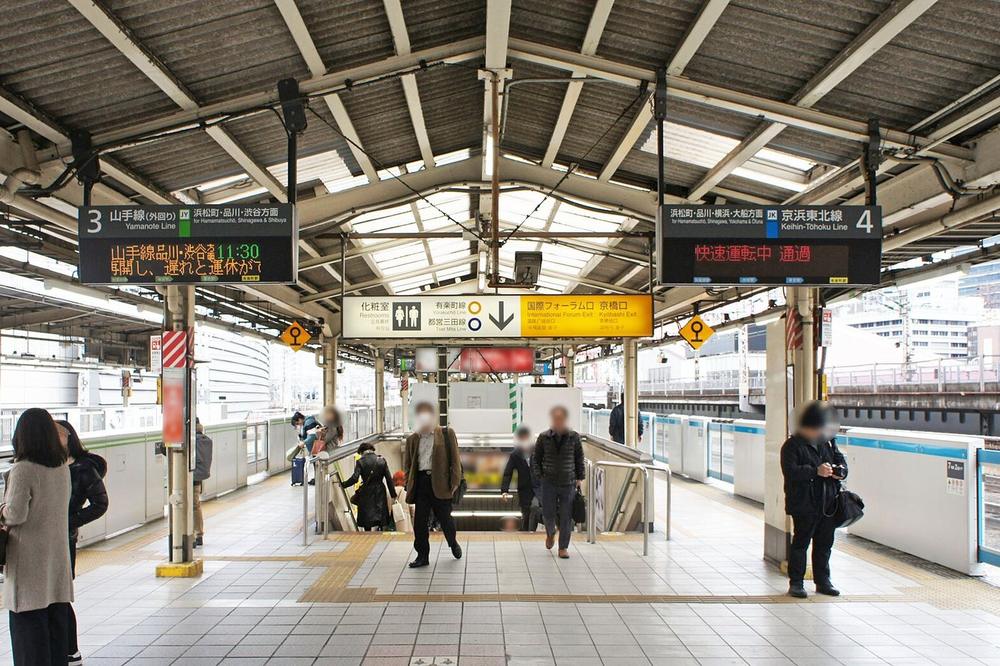
Eight to twelve kilometres across a full day, nearly all of it level, plus whatever the stations add. The stations are not a joke: one interchange at a large one can run several hundred metres underground with staircases at both ends.
Slowing it down is easy if you say so in advance. One district a day, a long lunch, a car standing by for the transfers and an afternoon that ends before five will halve the distance without halving what you see.
Read next
Tell us about the journey you have in mind
Dates, party size and the places you care about are enough to start. You get a draft route and an indicative price, not a brochure.