Two monsoons, and one dry coast at any time of year
Sri Lanka is the one country in South Asia that can be planned in any month, because its two monsoons run on opposite clocks and never close the island at the same time. Knowing which coast is dry in your month is most of the planning.
At a glance
| Region | South Asia |
| Nights that work | 9 to 12 for the triangle, the hills and one coast |
| Best months | December to March for the west and south; June to August for the east |
| No clear window | The hill country, which catches both monsoons |
| Main airport | CMB Colombo |
| Entry | ETA, free for 40 nationalities since 25 May 2026 |
| Ground cost | USD 250 to 360 per person per day, land only |
| Pairs with | South India |
What this country actually is
Sri Lanka is about the size of Ireland and takes three times as long to cross as the map suggests. That single mismatch explains most of what goes wrong on badly planned trips here: distances look trivial, roads are slow, and an itinerary drawn with a ruler produces a fortnight of driving.
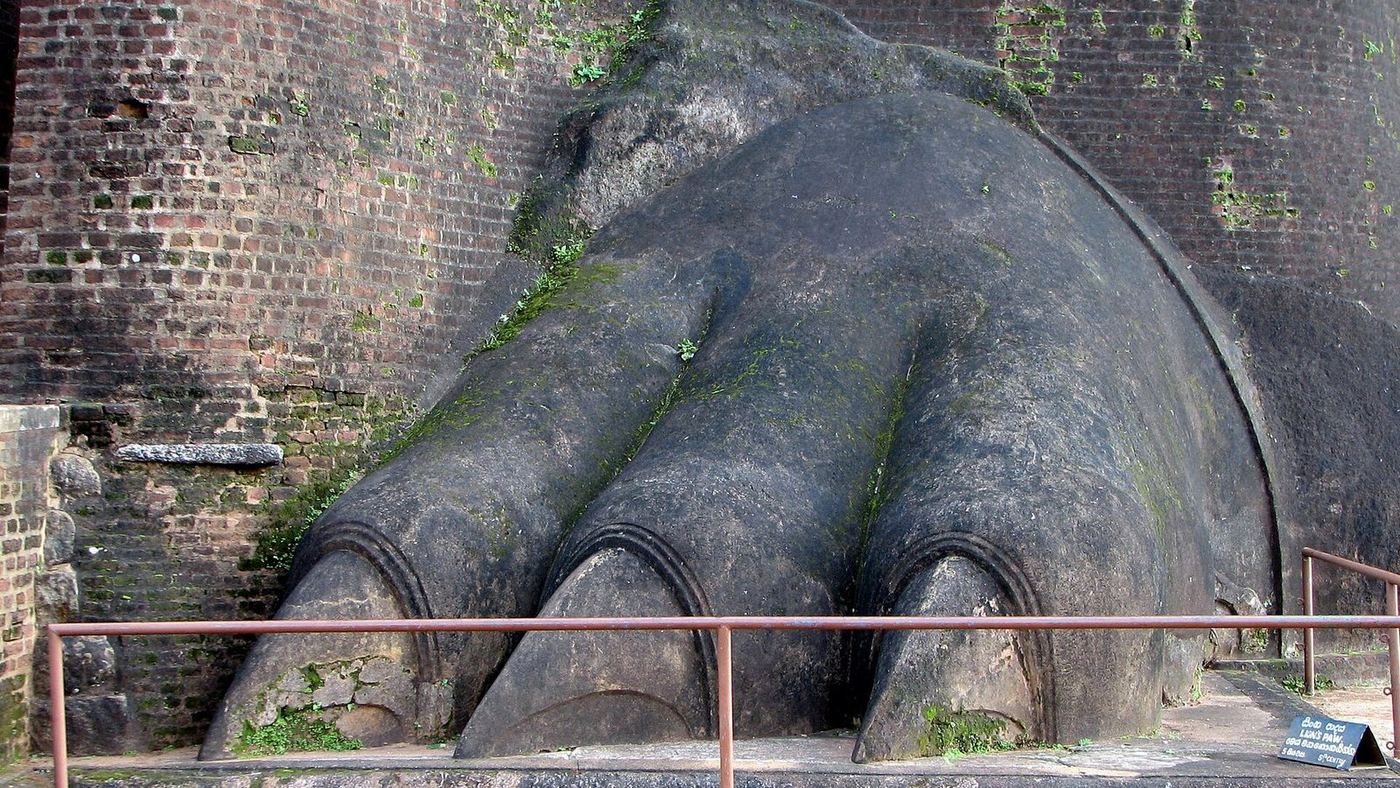
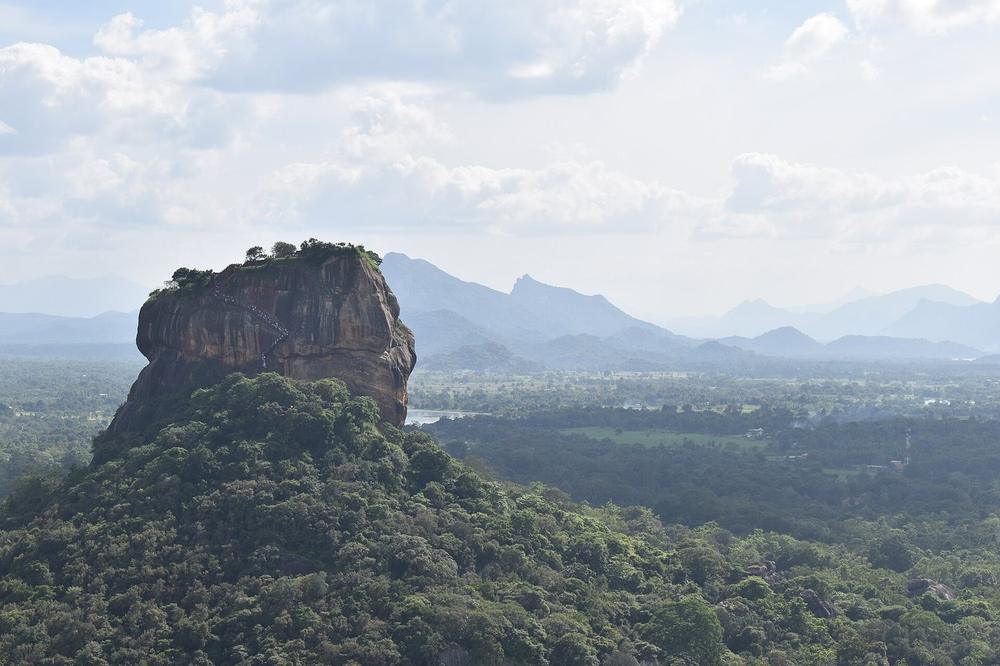
Inside that small area are four distinct countries’ worth of material. The cultural triangle in the dry north-centre holds the rock fortress at Sigiriya, the medieval capital at Polonnaruwa and the painted cave temple at Dambulla, and around them the vast man-made tanks by which Sinhalese kings stored half a year of rain against the dry months. The hill country in the middle is tea, cloud and railway. The south and west coasts are beach, fort and expressway. The east and north — Trincomalee, Arugam Bay, Jaffna — are a separate proposition on a separate weather clock and are barely visited by comparison.
The other thing worth knowing is that the country is unusually easy to travel in. Drivers commonly double as translators and informal guides, English is widely spoken, the food is better than its international reputation, and the sites are close enough together that a nine-night itinerary can be genuinely unhurried. It is the country we most often suggest to travellers who want South Asia but are nervous about India.
What it is not is a beach destination with some culture attached. The coast rewards two or three nights at the end of a route; a fortnight of it is a different holiday and there are better islands for that.
How many nights, and what breaks if you take fewer
Nine to twelve nights covers the triangle, the hills and one coast without a rushed day in it. That is the shape almost every good Sri Lanka itinerary takes, and the arithmetic underneath it is unforgiving.
Three nights belong to the cultural triangle, because the rock, the ruined capital and the cave temple are three separate half-days and stacking two of them into one morning ruins whichever comes second. Two belong to Kandy. Two belong to the hill country, and the arrival there should be by rail rather than by road. Two belong to the coast. That is nine, on top of a Colombo night that exists purely because long-haul flights land at three in the morning.
Take nights out and the first casualty is the middle. An eight-day trip usually drops to one night at Sigiriya, which means climbing the rock on the morning after a four-hour drive, and skips the train, which is the thing half the travellers on the island came for.
Where judgement is needed is on the way up. A fourteen-night trip can reach the east coast and a sixteen-night one can take in the north as well, but neither will compress into eleven: the drive to Jaffna eats a whole day and the city then wants two nights before the road makes sense. Bolting a second coast onto a shorter itinerary means giving up Kandy or the south, and the smaller idea carried out properly is almost always the better purchase.
When to go: two monsoons, one dry coast
The island has two monsoon systems running on different clocks, which is why it can be visited in any month if you know which coast to stand on.
| Months | West and south coasts | East coast | The hill country |
|---|---|---|---|
| December to March | Dry. This is the peak season and the reason most routes end at Galle | The Maha monsoon is finishing; November and December are its wettest weeks | Cool, often misty, with the best rail visibility of the year |
| April and May | The shoulder. Hot, with the southwest monsoon arriving through May | Drying out and warming up | Changeable |
| June to August | The Yala monsoon: heavy but often short afternoon rain | Dry. Trincomalee and Arugam Bay are at their best | Cool and damp; cloud sits on Ella and Nuwara Eliya |
| September to November | Easing, then the northeast system builds from October | The Maha monsoon arrives in October and peaks in November and December | Wet from both directions |
The practical rule is simple: plan the west and south coasts between December and March, and the east coast between June and August. A route ending at Galle is a December-to-March route; the same triangle and the same train followed by Trincomalee is a June-to-August route. They are different trips with different hotels, and the honest thing for an operator to do with a July enquiry is to flip the second half of the journey rather than sell the south in the rain.
The uplands are the part no operator can guarantee. Both systems throw rain at Kandy, the tea belt and Ella, so cloud sits on them in any month of the year, which is one good argument for putting the train in the middle of the day instead of at first light. The wet coast, whichever one it happens to be, has a genuine upside: rates drop, the sites thin out, and the tanks and waterfalls are running. The whole Asian year is set out on when to go.
Getting there, getting around, and the trains
Long-haul traffic all comes into Colombo (CMB), an airport that stands well north of the capital and considerably closer to Negombo, and most European and Australian routings put you on the ground somewhere between midnight and dawn off a Gulf or Southeast Asian connection. A first night with nothing scheduled after it, either by the airport or down in the Fort district, is not a night thrown away. It is what makes the following day usable.
On 25 May 2026 the fee was dropped altogether for 40 nationalities — American, British, Australian and the EU member states on the published list among them. What you get is thirty days with double entry, at no charge. Under-12s have held a free thirty-day ETA whatever their passport throughout all of this.
Costing nothing is not the same as needing nothing. You still complete the application online and you still need the approval before an airline will board you, and the commercial sites that will do it for a handling fee outrank the government portal in search results. Go to the official one.
What this closed was a shambolic couple of years. The charge stood at USD 50, jumped to USD 100 on 17 April 2024 once an outsourced USD 25 service fee was bolted on, and was pulled back by cabinet on 6 May 2024 after the industry objected and the system failed at the airport; the outsourcing contract went with it and immigration took the process back in house. Passports outside the waiver still pay USD 50 online or USD 60 at the border, with a South Asian schedule of USD 20 and USD 25.
On the ground the default is a car with a driver, and few countries in Asia repay that arrangement as well as this one: the roads are slow, and the driver generally turns out to be the most useful person on the trip. Reckon on USD 50 to 70 a day for an air-conditioned saloon and USD 70 to 90 for a van carrying three to six, with the fuel, the tolls, the parking and the driver’s own meals and bed all inside those numbers. A tip of USD 5 to 10 a day is expected on top and is rarely built into a tour price.
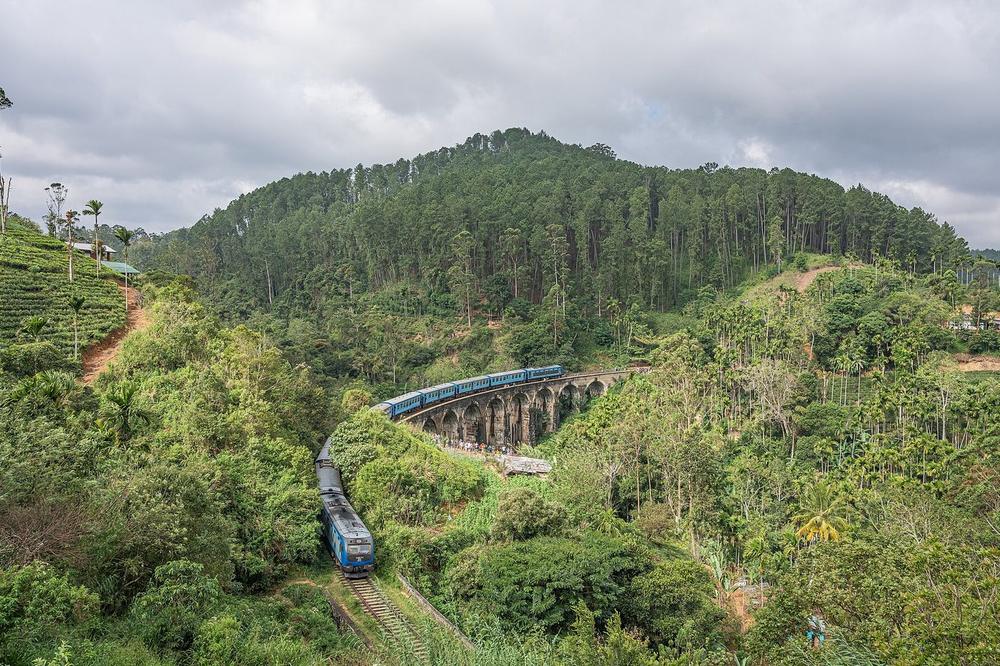
The railway is the exception an itinerary should be shaped around. From Colombo up to Kandy the train takes about three hours against three and a half to four in a car, which makes it one of the few rail journeys in Asia that simply beats the road. The celebrated stretch is the one beyond it: some 120 km from Kandy to Ella in six or seven hours, climbing out of the valley into tea, running along contour lines above open drops and crossing the Nine Arch Bridge towards the end. The class to ask for is Second Reserved and the class to avoid is air-conditioned First, whose sealed glass removes the only reason to be aboard; on this direction of travel the views sit on the right-hand side. Between December and April the seats go months in advance. The obvious arrangement is for the driver to take the luggage round by road and be waiting at the far end.
What it costs on the ground
Sri Lanka sits in our middle band, roughly USD 250 to 360 per person per day for a private journey, land only. It is more expensive per day than India or Nepal and considerably less than Bhutan or Japan.
Party size moves the number more than the hotels do. The vehicle and driver are a fixed daily cost carried by however many people are in the car, so two travellers can pay something like a third more per head than a party of five on an identical route with identical rooms. Entrances are the other variable, and they are the one set of figures we will not print here. Ticket prices for foreigners at Sigiriya, Polonnaruwa, Dambulla and Anuradhapura are fixed between the Central Cultural Fund and the archaeology department, they are revised without much warning, and anything published on a page like this one ages badly. What a quote should say instead is that every entrance is covered at whatever the rate is on the day of invoicing.
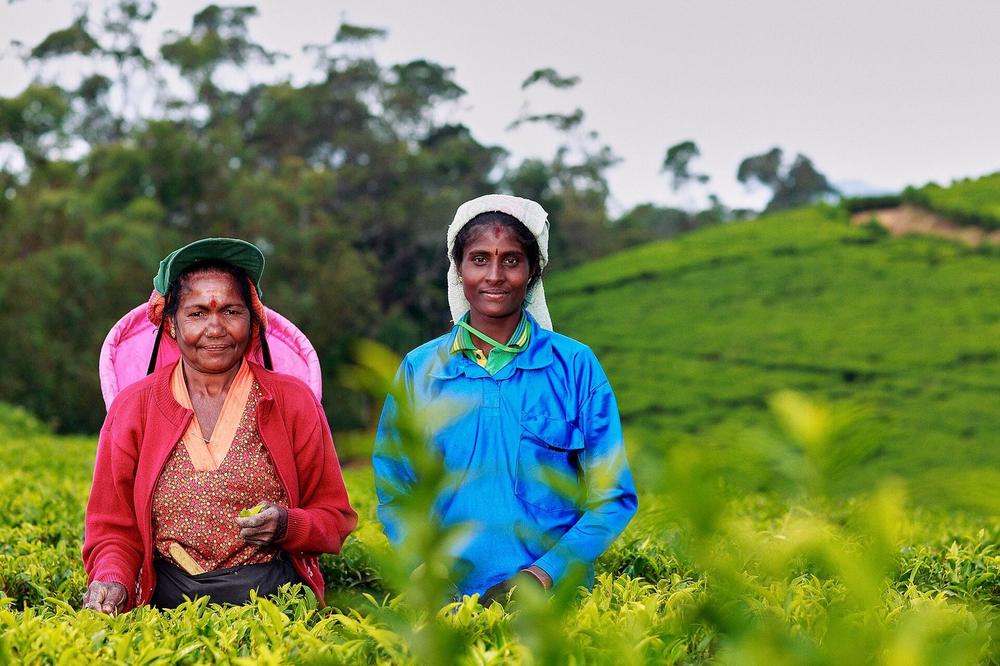
The place where an upgrade actually returns something is the tea country and the southern coast, where a small number of estate bungalows and old merchant houses earn their rate in a way that a larger room near the ruins does not. Around Sigiriya, the best place to sleep and the dearest place to sleep are not the same address. What a day costs in every country we sell, before anybody’s margin, is on cost by country.
In pictures
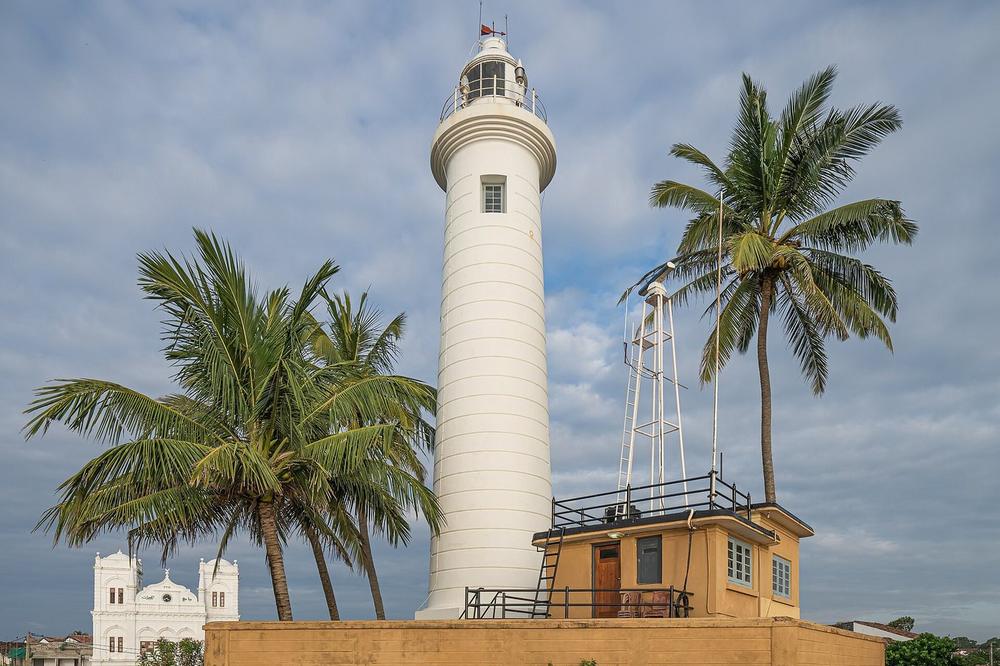
When to skip it
- If you want the south coast between May and September. That is the southwest monsoon landing on precisely the beaches most itineraries end at. The answer is to go east to Trincomalee or Arugam Bay instead, not to book the south and hope.
- If neither the stair at Sigiriya nor the scramble up Pidurangala opposite is within reach of the party. Those three triangle nights are built around the rock, and it does not have a viewing terrace at ground level.
- If this is meant to be a beach holiday with culture attached. Two nights at Galle is a fort with a sea view, not a resort strip, and a route built around sand would need four or five nights on one stretch of it and a completely different shape.
- If sleeves are a step too far. Covered shoulders and knees are required at the Temple of the Tooth, at Dambulla and at every shrine still in use, and posing with your back turned to a Buddha figure is dealt with here under the criminal law rather than by a raised eyebrow.
- If the plan is to reach Jaffna or the east without lengthening the trip. This is a small island that moves slowly, and an extension to the north or the east has to earn its drive with at least two nights of its own.
Journeys that go here
Sri Lanka in eleven days runs Colombo to Galle by way of Sigiriya, Kandy, the hill-country train and the south coast, and it is written for the December-to-March window for the reasons set out above. Ask for a June-to-August departure and the same triangle and the same train are followed by Trincomalee instead of the south.
With nineteen days, the better buy is usually not a slower version of the island. Sri Lanka and south India in nineteen days runs Colombo to Kochi and pairs the island with Kerala across a short flight; the two halves are close enough to combine easily and different enough that the second does not feel like a repeat of the first. The Kerala half on its own is ten days from Kochi to Trivandrum.
Start with the month
Give us the dates and the size of the party, and say whether you would rather finish on a beach or in the ruins. The month settles which coast a route can sensibly end on.
Questions travellers ask most
Is the Sri Lankan ETA really free?
For 40 nationalities it is, and has been since 25 May 2026 — American, British, Australian and the listed EU passports among them. Thirty days, double entry, nothing to pay. Under-12s have travelled on a free thirty-day ETA whatever their nationality throughout all the fee changes.
Free is not the same as automatic. You apply online and wait for the approval before an airline will let you board, and you should do it on the government portal rather than through a site that will charge you to press the same buttons. Passports outside the waiver pay USD 50 in advance or USD 60 at the border, with a lower South Asian schedule.
Which month is actually best?
It depends on which coast you want to finish on, and that is not a dodge — it is the whole planning question here. December to March is dry on the west and south, which is where most routes end. June to August is dry on the east, at Trincomalee and Arugam Bay, while the south is under the Yala monsoon.
The hill country is the exception and catches rain from both systems, so Kandy, Nuwara Eliya and Ella can be misty in any month. That is a reason to plan the train for the middle of the day rather than a reason to avoid the hills, which are a large part of what makes the island worth eleven days.
Do we have to take the hill-country train?
No, and the people who leave it out tend to regret it. The line from Kandy up to Ella runs about 120 km in six or seven hours, and the slowness is the product: it climbs out of the valley into tea, holds a contour above open drops and crosses the Nine Arch Bridge near the end.
Ask for Second Reserved rather than air-conditioned First, whose sealed glass defeats the whole exercise, and take the right-hand side going this way. From December to April the seats are gone months out. Anyone who cannot sit still that long rides with the driver and joins the train further along.
Is nine to twelve nights really enough for the whole island?
Enough for the triangle, the uplands and one coastline at an unhurried pace, with only a couple of days that are genuinely transfers. That is a complete trip, and it is what we would put in front of a first-time visitor.
Not enough to reach the north or the east. Getting to Jaffna is most of a day behind the wheel and the city then wants two nights; Trincomalee and Arugam Bay answer to the other monsoon, which makes them a question of month rather than of length. At fourteen nights the east becomes possible, at sixteen the north as well.
Read next
Tell us about the journey you have in mind
Dates, party size and the places you care about are enough to start. You get a draft route and an indicative price, not a brochure.